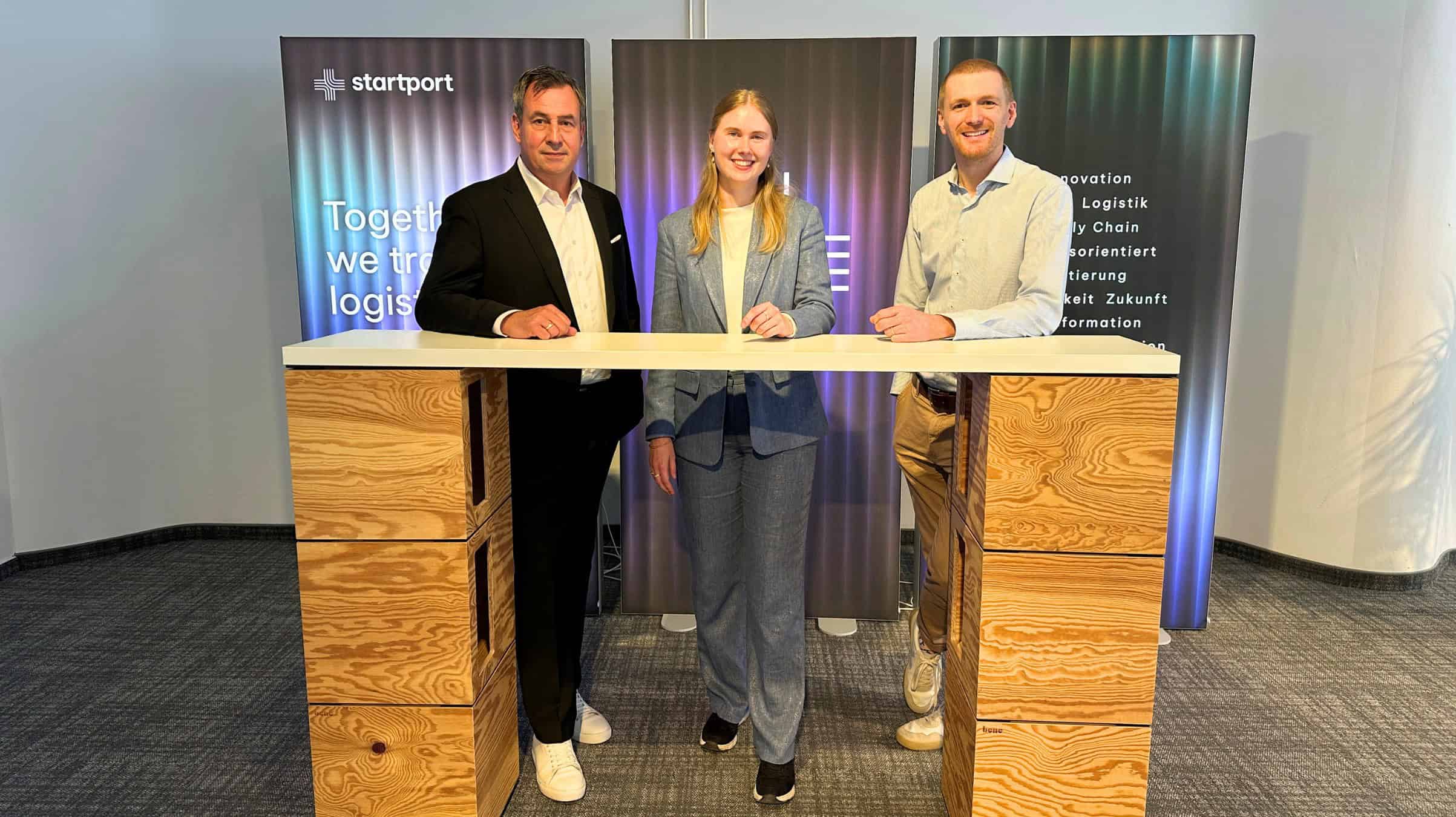
At startport’s Tax & ESG Breakfast on June 17, 2026, the experts from PKF Fasselt provided an overview of the latest developments concerning ESG regulation, sustainability reporting, and tax innovations. The most important insight: less regulation does not mean less relevance. Companies should continue to strategically address sustainability.
Omnibus Procedure: Less Bureaucracy, But No All-Clear
With the Omnibus Procedure, the European Union aims to simplify sustainability reporting and relieve companies of administrative burdens. In particular, the Corporate Sustainability Reporting Directive (CSRD), the EU Taxonomy, and other ESG regulations are intended to become clearer and more practical.
Key changes include higher thresholds for reporting obligations. In the future, companies will only fall directly under the revised CSRD if they have at least 1,000 employees and a turnover of at least 450 million euros. This would mean that around 90 percent of the originally affected companies would fall outside the mandatory scope. At the same time, reporting obligations are being postponed, and the number of required ESRS data points is significantly reduced.
Sustainability Remains a Market Topic
Even if many companies will no longer be legally obliged to provide sustainability reports in the future, the topic will not disappear from the agenda. Banks, customers, investors, and public contracting authorities continue to expect reliable ESG information. Sustainability data is increasingly becoming a competitive factor and is gaining importance in financing, tenders, and supplier evaluations.
Therefore, the speakers from PKF Fasselt recommended re-evaluating one’s own reporting obligation and reviewing existing materiality analyses. At the same time, the new voluntary standard for small and medium-sized enterprises offers the opportunity to provide structured sustainability information, even without a legal obligation.

Green Claims: Sustainability Statements Under Increased Scrutiny
Another focus of the workshop was the increasing regulation of sustainability statements. With the EmpCo Directive, the EU is intensifying the fight against greenwashing and creating stricter requirements for environmental and sustainability claims. Blanket statements such as “climate-neutral” or “environmentally friendly” will be scrutinized more closely in the future and must be verifiably substantiated.
For companies, this means increased documentation effort and the need for clear approval and governance processes. Sustainability communication is increasingly becoming a compliance issue.
Tax Developments Continue to Drive Digitalization
In addition to ESG, current tax topics were also on the agenda. The introduction of e-invoicing, in particular, continues to concern many companies. Companies must already be able to receive and process electronic invoices. In the coming years, the requirements will be gradually expanded.
Furthermore, the experts highlighted the importance of functional processes, process documentation, and digital systems for future tax audits. Tax authorities are increasingly analyzing data and systems instead of individual paper documents. Companies are therefore well advised to standardize and comprehensibly document their digital processes early on.
Conclusion
The Tax & ESG Breakfast at startport made it clear: while regulatory requirements in the ESG sector are being streamlined, the strategic importance of sustainability remains. Companies should use the current changes as an opportunity to focus their reporting and at the same time keep an eye on the increasing expectations of the market, customers, and financing institutions.
Together with PKF Fasselt, participants gained valuable insights into the latest developments concerning ESG, sustainability reporting, and tax law. The intensive exchange once again demonstrated the importance of understanding regulatory changes early and implementing them practically.